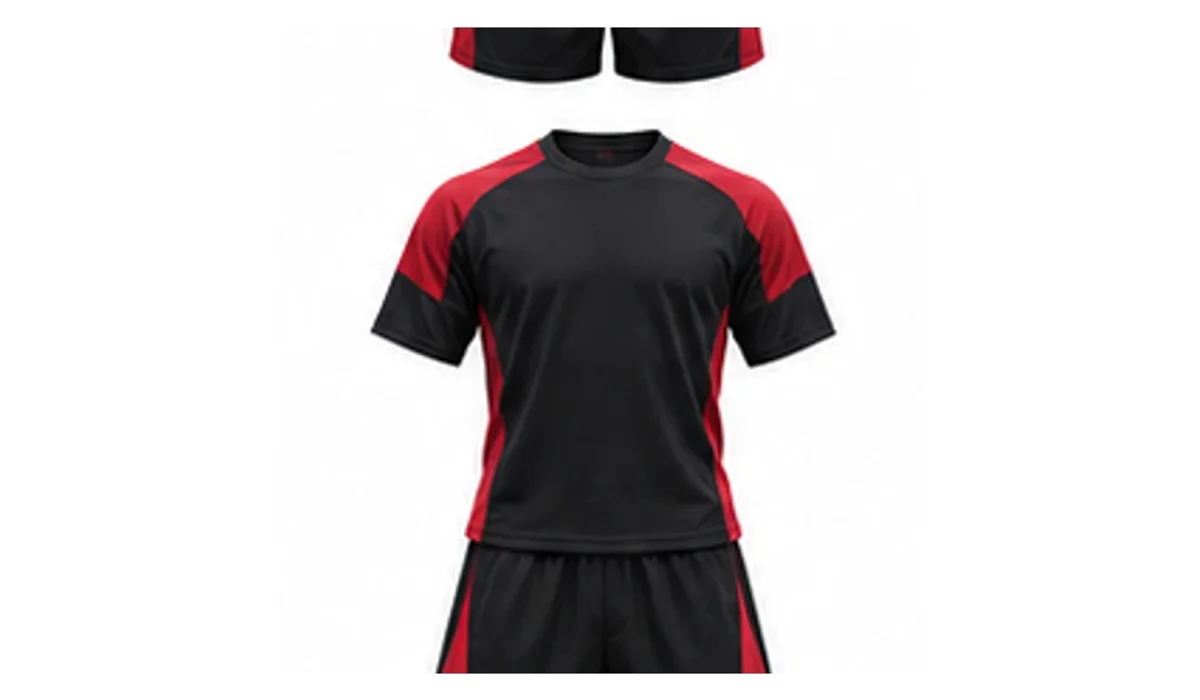
There is no single best fabric for every athletic garment. The right choice depends on movement, climate, fit, decoration and the way the product will be cared for.
Match composition to the intended use
Polyester is commonly considered for lightweight athletic garments, while stretch blends can suit close-fitting pieces. Cotton-rich fabrics may be desirable for lifestyle collections. Composition alone does not establish performance: yarn, knit structure, finishing and garment design all affect the result.
Look beyond the GSM number
GSM describes fabric mass per square metre. It helps compare materials but does not directly measure softness, durability or opacity. Request swatches and compare stretch, recovery, surface texture and feel. Check the fabric under the conditions your customer will use it, including movement and layering.
Agree test expectations before ordering
Discuss dimensional stability, colorfastness and any performance testing relevant to the product. Do not assume a fabric is moisture-wicking, recycled, antimicrobial or certified unless suitable documentation supports the claim. Keep an approved swatch and clearly record the fabric reference for future orders.
Browse our proposed training wear designs, then share your requirements. Service availability and final specifications require company confirmation.